
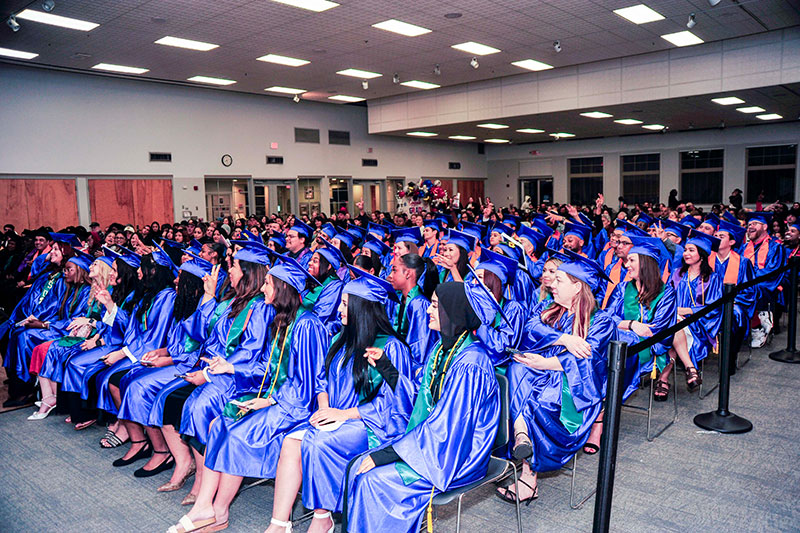
Going to college used to follow a very strict script. You graduate high school, pack up your bags, and spend the next four years sitting in massive lecture halls studying broad theories. Eventually, you get a degree and hope an employer decides to take a chance on your resume.
Many students are finding that this traditional route leaves them with overwhelming debt and little practical experience. The modern job market requires highly specific capabilities. Employers actively look for candidates who already know how to operate machinery, write code, or manage patient records. They want professionals who can start making an impact on day one.
Career-focused education offers a direct alternative to the standard four-year university experience. Trade schools, vocational programs, and technical colleges prioritize the exact training you need to secure an entry-level position in a specialized field. If you want to jump-start your professional life without unnecessary filler, this approach offers several major advantages.
The Real Value of Vocational and Trade Schools
Specialized training centers strip away elective courses and general education requirements that extend traditional degree programs. Instead, they focus entirely on making you highly marketable. Here are the top five reasons to pursue a career-focused education.
1. Get into the Workforce Faster
Time is one of your most valuable assets. Traditional bachelor’s degrees demand a minimum of four years of full-time study. If you switch majors or take fewer classes per semester, that timeline stretches even further.
Career-focused programs are designed for speed and efficiency. Many diploma and associate degree programs take two years or less to complete. You spend your time learning exactly what you need to know for your specific field, completely eliminating unrelated coursework. Because you graduate sooner, you can start earning a professional salary years ahead of your peers who chose the four-year college route.
2. Learn Practical, Job-Ready Skills
Academic theory has its place, but reading about a concept in a textbook rarely prepares you for the physical reality of a job site or a medical clinic. Vocational training is inherently hands-on.
If you study to become an HVAC technician, you will spend your days working directly with heating and cooling units. If you train as a medical assistant, you will practice drawing blood, taking vitals, and managing patient care.
This experiential learning builds deep confidence. When you show up for your first day of work, you already know how to use the tools of the trade. Employers recognize this value immediately, as it drastically reduces the time and money they have to spend on training new hires.
3. Save Money on Tuition and Debt
Student loan debt represents a major financial burden for millions of graduates. Paying for four years of university tuition, room, board, and hidden campus fees can easily result in a mountain of debt that takes decades to clear.
Trade schools and technical colleges typically cost significantly less than traditional universities. The shorter program length means you pay for fewer semesters. Furthermore, you avoid paying for expensive dormitories, massive campus recreation centers, and mandatory meal plans. Graduating with little to no debt allows you to keep the money you earn and start building real financial stability from your very first paycheck.
4. High Demand for Specialized Technicians
Take a look at the essential services that keep society running smoothly. We rely heavily on healthcare workers, information technology experts, and skilled tradespeople. Many of these industries currently face severe labor shortages. Older generations are retiring, and there simply are not enough newly trained professionals to step in and take their place.
This high demand creates incredible job security and strong earning potential for specialized workers. Hospitals desperately need Health Information Technicians and Electrocardiogram Technicians. Telecommunications companies are constantly hunting for qualified Fiber Optic Technicians. Software developers remain highly sought after across every sector of the economy. A career-focused education directly aligns your skills with these growing, resilient industries.
5. Focused Support and Industry Connections
Large universities often treat students like numbers. You might sit in a room with three hundred other people, never speaking a single word to the professor. Career-focused colleges usually feature much smaller class sizes, leading to highly personalized instruction. Your instructors are typically experienced professionals who have spent years working in the exact industry you want to enter.
They provide tailored feedback, answer specific questions, and share their personal experiences from the field. Additionally, technical schools frequently partner with local employers. These relationships often lead to direct job placements, internships, and strong networking opportunities right in your local community.
How ATA College Bridges the Gap
Finding the right institution makes all the difference when pursuing a vocational path. Located in El Cajon, CA, ATA College has provided diploma and associate degree training for specialized entry-level positions since 1996. The core mission is to provide the precise training and skills you need to become highly marketable right now.
ATA College offers practical, hands-on programs designed around local employment needs. Students can choose to train in Criminal Justice & Public Safety, Software Development and Programming, or step into the skilled trades as an HVAC Technician or Fiber Optic Technician. For those drawn to the healthcare sector, ATA College offers specialized tracks in Medical Assisting, Health Information Technology, and Electrocardiogram Technology.
Take the Next Step Toward Your Future
You have the power to take control of your professional trajectory. Spending years in a classroom studying abstract concepts is no longer the only way to build a rewarding, lucrative career. By choosing an educational path that prioritizes real-world applications and job-ready skills, you set yourself up for immediate success.
Research the specific industries that interest you and look into the day-to-day realities of those professions. Explore the programs that align with your goals, and speak with admissions counselors to understand exactly what the training entails. Your new career might be much closer than you think.