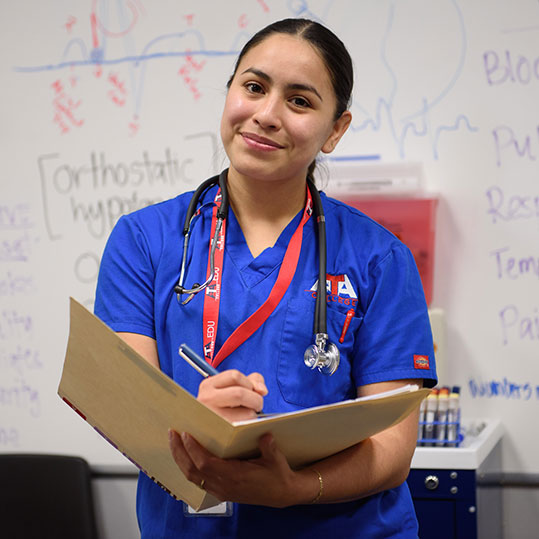

Considering a career as a Certified Nursing Assistant (CNA)? You’re stepping into a role that is the true heart of healthcare. CNAs provide the essential, hands-on care that supports patients every single day. If you’re drawn to a career that is both challenging and deeply rewarding, understanding what a typical day looks like is the perfect next step.
This guide offers a window into the daily life of a CNA. We’ll walk through the common tasks, the skills required, and the personal rewards of this vital profession. By the end, you’ll have a clearer picture of whether this fulfilling career path is the right fit for you.
A Day in the Life of a CNA: Essential Responsibilities
Thinking about becoming a CNA? Learn about the daily tasks, responsibilities, challenges, and rewards of a Certified Nursing Assistant to see if this career is right for you.
What is a Certified Nursing Assistant?
Before we map out the day, let’s clarify the role. A Certified Nursing Assistant works under the supervision of a Registered Nurse (RN) or Licensed Practical Nurse (LPN) to provide direct patient care. They are frontline caregivers, helping patients with daily activities, monitoring their health, and providing emotional support.
CNAs work in a wide range of healthcare settings, including:
- Hospitals
- Nursing homes and long-term care facilities
- Assisted living communities
- Home healthcare services
- Rehabilitation centers
The “Certified” part of the title means you’ve completed a state-approved training program and passed a competency exam. This certification validates your skills and knowledge, making you an indispensable member of any healthcare team.
A Glimpse into a CNA's Shift
No two days as a CNA are exactly the same, but most shifts follow a structured rhythm. Let’s break down what you might expect during a typical day shift in a hospital or long-term care facility.
The Morning Rush (7:00 AM – 11:00 AM)
The day begins early with a handoff from the night shift team. This “report” is crucial. You’ll receive updates on each patient’s condition, any incidents that occurred overnight, and specific care needs for the day. This is the time to ask questions and get organized.
After the report, the morning activities kick off quickly:
- Vital Signs: Your first round involves checking vital signs—temperature, blood pressure, pulse, and respiration rate—for all your assigned patients. You’ll meticulously record these numbers in their charts, as they are a key indicator of health.
- Assisting with Morning Care: This is a core part of the CNA role. You’ll help patients with their activities of daily living (ADLs). This can include bathing, dressing, grooming, and oral hygiene. For patients with limited mobility, this requires compassion, strength, and patience.
- Breakfast and Hydration: You will assist with serving breakfast trays, helping patients who have difficulty eating on their own, and ensuring everyone has access to water. You’ll also need to document their food and fluid intake, which is critical for monitoring nutrition and hydration.
Mid-Day Responsibilities (11:00 AM – 3:00 PM)
As the morning winds down, the focus shifts. You might find yourself assisting nurses with medical procedures or preparing patients for appointments.
Key tasks during this period include:
- Repositioning Patients: To prevent bedsores and improve circulation, patients who are bedridden must be turned and repositioned every two hours. This task is physically demanding but essential for patient comfort and health.
- Toileting and Incontinence Care: You’ll assist patients with using the restroom or a bedpan. This requires professionalism and a commitment to maintaining the patient’s dignity at all times.
- Answering Call Lights: Patients use call lights to request assistance for anything from a glass of water to help getting out of bed. Responding promptly is vital for patient safety and satisfaction.
- Lunch Service: Similar to breakfast, you will help serve lunch and assist patients who need help eating. Again, careful documentation of intake is required.
Afternoon and Shift Change (3:00 PM – 7:00 PM)
The afternoon often involves a mix of direct care, documentation, and preparing for the next shift.
- Final Rounds and Vitals: You’ll do another round of checking vital signs and ensure patients are comfortable. This is also a good time to check in with them emotionally, offering a listening ear or a reassuring word.
- Documentation: “If it wasn’t documented, it didn’t happen.” This is a common saying in healthcare. Throughout your shift, and especially at the end, you’ll be updating patient charts with detailed notes on the care you provided, any changes you observed, and patient responses.
- Preparing for Handoff: You will tidy patient rooms, restock supplies, and prepare a concise and accurate report for the incoming evening shift. A smooth transition ensures continuity of care, which is critical for patient well-being.
The Essential Skills of a Great CNA
The daily tasks of a CNA are demanding, requiring a unique blend of hard and soft skills.
- Compassion and Empathy: You are caring for people during their most vulnerable moments. The ability to connect with them on a human level is what separates a good CNA from a great one.
- Physical Stamina: The role involves a lot of walking, lifting, and bending. Being physically fit is a must to handle the demands of the job safely.
- Attention to Detail: From accurately recording vital signs to noticing subtle changes in a patient’s condition, your sharp observational skills can make a significant difference in patient outcomes.
- Communication: You need to communicate clearly with patients, their families, and the rest of the healthcare team. Being an active listener is just as important as being a clear speaker.
- Patience and Resilience: You will face challenging situations and interact with patients who may be in pain or distress. The ability to remain calm and patient under pressure is crucial.
Start Your Healthcare Career
A day in the life of a CNA is busy, physically demanding, and emotionally challenging. It is also one of the most rewarding entry points into the healthcare field. You’ll build meaningful connections with your patients and know that your work directly contributes to their comfort and well-being.
If this sounds like the career you’ve been looking for, the first step is proper training. At ATA College, we provide the hands-on training and career-focused education you need to become a successful Certified Nursing Assistant. Our programs are designed to equip you with the skills and confidence to excel from day one.
Ready to make a real difference? Explore our healthcare programs and begin your journey into a fulfilling career today.